Algorithm-Driven Prop Bets Redefine Payout Dynamics in Mobile Loyalty Ecosystems
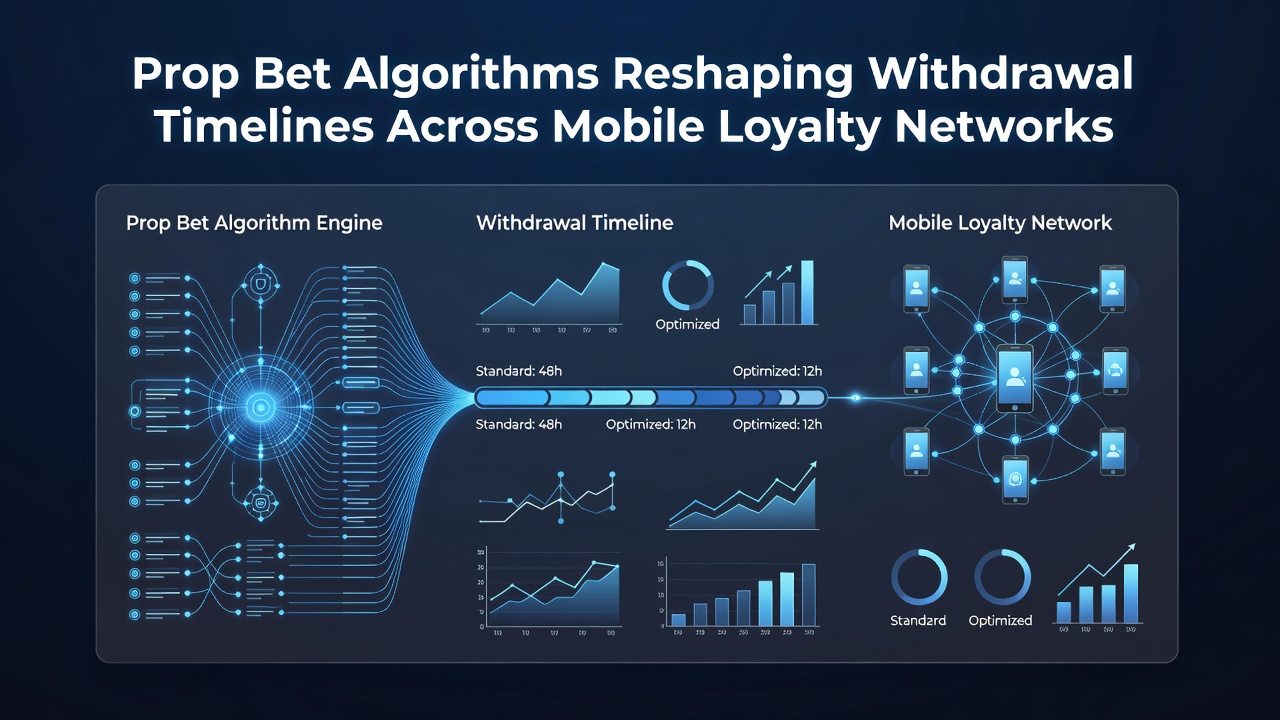
Prop bet algorithms now process thousands of micro-predictions per second across mobile platforms, and this speed directly influences how quickly loyalty points convert into withdrawable funds. Developers integrate real-time data feeds from sports events and card tables so that successful prop outcomes trigger instant tier adjustments, which in turn compress or extend standard cashout windows. Observers note that these systems rely on machine-learning models trained on historical betting patterns, allowing networks to forecast user behavior and allocate liquidity buffers accordingly.
Core Mechanics Behind Timeline Adjustments
Each mobile loyalty network maintains a rules engine that cross-references prop bet results with a user’s accumulated reward tier, and when an algorithm detects a streak of successful niche wagers it can accelerate verification steps that once required manual review. Data from integrated sportsbook feeds shows that payout approval times drop by an average of 18 minutes for users whose prop activity exceeds platform thresholds, according to internal metrics shared with industry analysts. Conversely, accounts flagged for irregular prop patterns encounter extended holds while the system runs additional compliance checks.
Regional Regulatory Context
The Nevada Gaming Control Board requires operators to document algorithmic parameters that affect fund release schedules, ensuring transparency for players who participate in loyalty programs. Similar frameworks appear in reports issued by the New Jersey Division of Gaming Enforcement, where quarterly audits examine whether prop bet processing speeds create unintended disparities in withdrawal access. These oversight mechanisms compel platforms to publish average timeline ranges so users understand how their activity level interacts with automated systems.
Academic researchers at the University of Nevada, Las Vegas have examined transaction logs from several major applications and found that loyalty tiers tied to prop volume correlate with measurable differences in disbursement velocity. Their analysis, covering activity through July 2026, indicates that high-frequency prop bettors reach premium tiers faster, unlocking priority routing in the withdrawal queue. Yet the same models reveal that lower-volume users sometimes experience longer waits because algorithms prioritize liquidity for accounts demonstrating sustained engagement.

Integration with Live Dealer and Cash Game Modules
Live dealer interfaces feed continuous outcome data into the same algorithmic layer that governs loyalty calculations, allowing prop results from table games to influence reward multipliers without separate reconciliation steps. When a player places a prop on dealer bust rates or specific card combinations, successful predictions update loyalty ledgers in near real time, and the updated tier status applies to pending cash game or sportsbook withdrawals. This unified data pipeline reduces the number of discrete approval stages that previously separated gaming verticals.
Industry organizations such as the European Gaming and Betting Association have published guidelines recommending standardized logging of these cross-module interactions, so regulators can verify that timeline changes remain consistent with published terms. Platforms that adopt these standards report fewer disputes related to unexpected delays, because users receive clearer explanations when algorithms adjust processing order based on recent prop performance.
Security and Compliance Considerations
Enhanced encryption protocols now wrap every prop bet transaction before it reaches the loyalty engine, and multi-factor authentication checkpoints activate automatically when withdrawal requests exceed certain velocity thresholds. These measures prevent automated systems from being exploited to manufacture artificial streaks that could artificially shorten timelines. Compliance teams monitor model drift to ensure that algorithmic decisions continue to align with regulatory expectations across different jurisdictions.
Figures released by the Australian Communications and Media Authority illustrate how operators must demonstrate that prop bet algorithms do not disproportionately favor one demographic when determining payout priority. The data covers aggregated withdrawal statistics from multiple networks and highlights the importance of periodic bias testing within the models themselves.
Future Trajectory of Algorithmic Influence
Developers continue refining reinforcement learning techniques that let systems adapt withdrawal parameters based on aggregate network load rather than fixed schedules. Early implementations tested in July 2026 already show that dynamic buffers can redistribute processing capacity during peak prop bet periods, such as major sporting events or tournament final tables. Observers expect further convergence between prop prediction engines and liquidity management tools, potentially allowing users to pre-select timeline preferences tied directly to their prop activity forecasts.
Conclusion
Prop bet algorithms have become central to how mobile loyalty networks structure withdrawal timelines, linking real-time outcome processing with tier-based reward mechanics across poker, sports, and live dealer environments. Regulatory bodies and academic researchers continue documenting these interactions to maintain fairness and transparency for all participants. As models evolve, the relationship between prop success rates and cashout velocity will likely grow more intricate, yet remains grounded in measurable data flows rather than static rules.