Competition Timelines Shaping Loyalty Benefits in Cross-Format Mobile Platforms
Written by Yara Otto · Aug 11, 2026
Competition Timelines Shaping Loyalty Benefits in Cross-Format Mobile Platforms
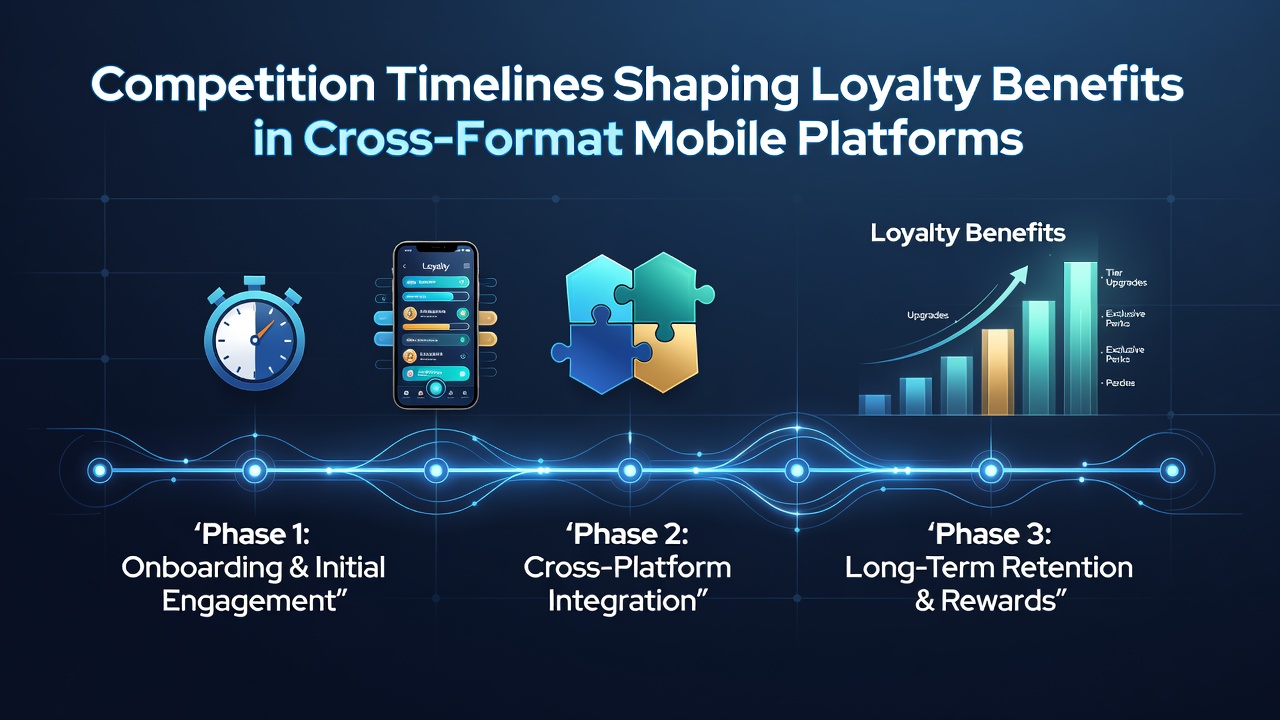
Competition timelines in mobile gaming environments coordinate tournament starts, sports event windows, and promotional cycles across poker, casino, and sportsbook formats within single applications, and these schedules directly influence how loyalty programs accumulate points, unlock tiers, and distribute rewards. Operators align bonus structures with calendar peaks so that users who participate during high-volume periods receive accelerated benefits while quieter intervals trigger retention mechanics that maintain engagement through extended qualification windows.
Calendar Coordination and Reward Accumulation
Platforms integrate multiple formats by syncing poker tournament series with major sports leagues and seasonal casino promotions, which allows loyalty systems to award points based on combined activity rather than isolated sessions. Data from industry analyses shows that users who bridge formats during overlapping events accumulate 25 to 40 percent more points than those who remain in single-format play, according to tracking metrics reported by several North American operators. This integration relies on unified user profiles that track participation across live dealer tables, cash games, and prop bet markets without resetting progress at format boundaries.
August 2026 brought several overlapping schedules into view as European football leagues resumed while North American poker circuits entered their summer festival phase, and mobile platforms responded by extending loyalty qualification periods through the month. Observers note that these extended windows reduced point expiration rates and encouraged cross-format movement, particularly when sports betting odds on early-season matches were paired with poker satellite entries that fed into larger loyalty multipliers.
Cross-Format Mechanics in Practice
One established pattern involves mapping loyalty tiers to competition density, where users reach higher status levels faster during clustered events because daily login bonuses, deposit matches, and cashback offers stack automatically. Researchers tracking user behavior across integrated platforms found that tier advancement speed increased notably when users completed challenges tied to both a live sports wager and a subsequent poker hand count within the same 24-hour window. These mechanics operate through backend algorithms that adjust reward rates based on real-time schedule density rather than fixed monthly cycles.
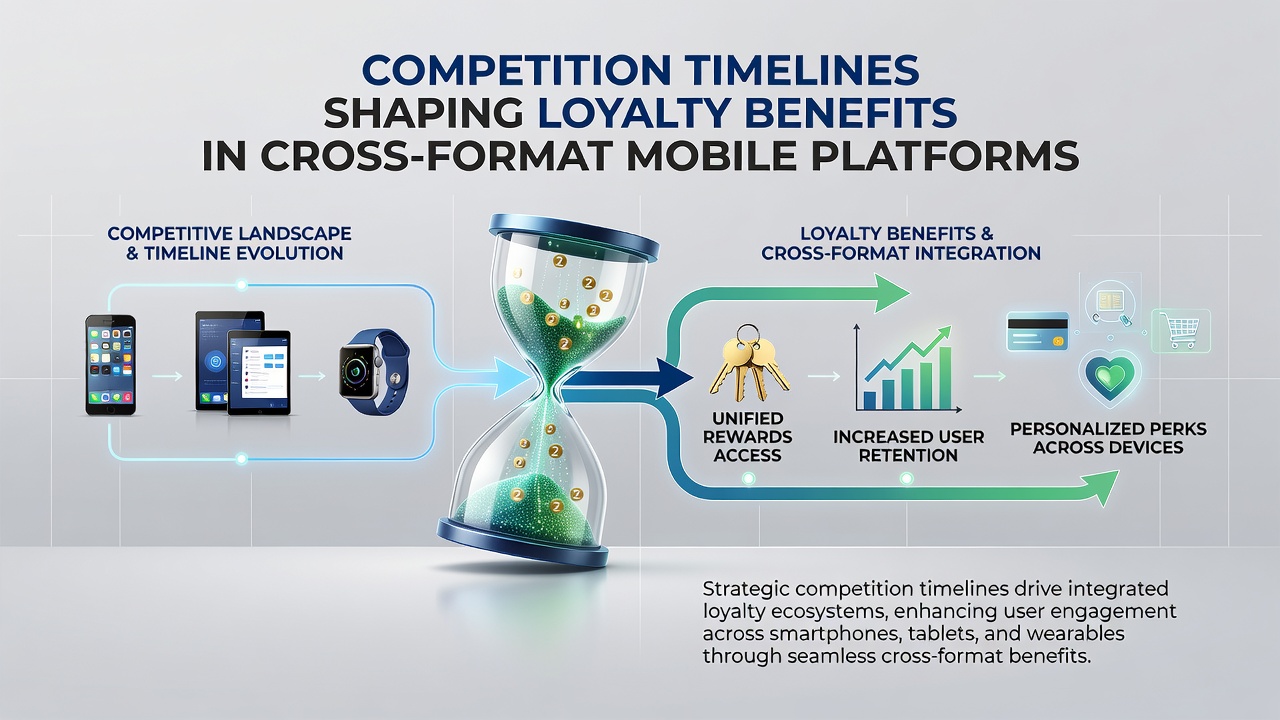
Platforms in the Asia-Pacific region, including those licensed under Australian regulatory frameworks, have published usage statistics indicating that cross-format loyalty pathways now account for over half of all tier upgrades during peak competition months. The Australian Gambling Research Centre has documented similar trends in its periodic industry reviews, highlighting how synchronized calendars reduce user churn by maintaining consistent reward delivery even when individual format participation fluctuates.
Regional Regulatory Influences
Regulatory environments shape how timelines translate into benefits because licensing conditions often require transparent disclosure of qualification criteria and reward expiration rules. In jurisdictions overseen by the Malta Gaming Authority, operators must publish schedule-based adjustments to loyalty programs in advance, which creates predictable windows for users to plan activity across poker and sports formats. Canadian provincial regulators have introduced comparable reporting requirements that tie reward structures to verified competition calendars, ensuring that benefits remain accessible regardless of format preference.
Academic studies from the University of Nevada, Reno have examined these systems and reported that platforms using dynamic timeline mapping achieve higher retention metrics during transitional periods between major events. The research emphasizes measurable increases in session frequency when loyalty benefits bridge formats rather than resetting at each new competition cycle.
Future Schedule Integration Trends
Looking ahead, developers continue refining algorithms that predict optimal reward timing based on historical participation data from multiple formats. These tools allow platforms to pre-load loyalty boosts ahead of known schedule gaps, such as the period following major poker series conclusions or between sports seasons. Industry reports from the European Gaming and Betting Association indicate that such predictive adjustments have already stabilized monthly active user counts across tested applications.
Conclusion
Competition timelines function as structural drivers within cross-format mobile platforms by determining when and how loyalty benefits activate across poker, sports, and casino offerings. The coordination of schedules with reward mechanics produces measurable effects on point accumulation, tier progression, and user retention, as evidenced by regulatory disclosures, academic research, and operational data from multiple regions. As calendars continue to overlap in 2026 and beyond, platforms maintain these connections through unified tracking systems that treat activity across formats as continuous rather than segmented.