Cross-Platform Reward Flows Linking Disbursement Timelines to Live Table Selections in Integrated Wagering Ecosystems
Written by Olivia Perry · Aug 2, 2026
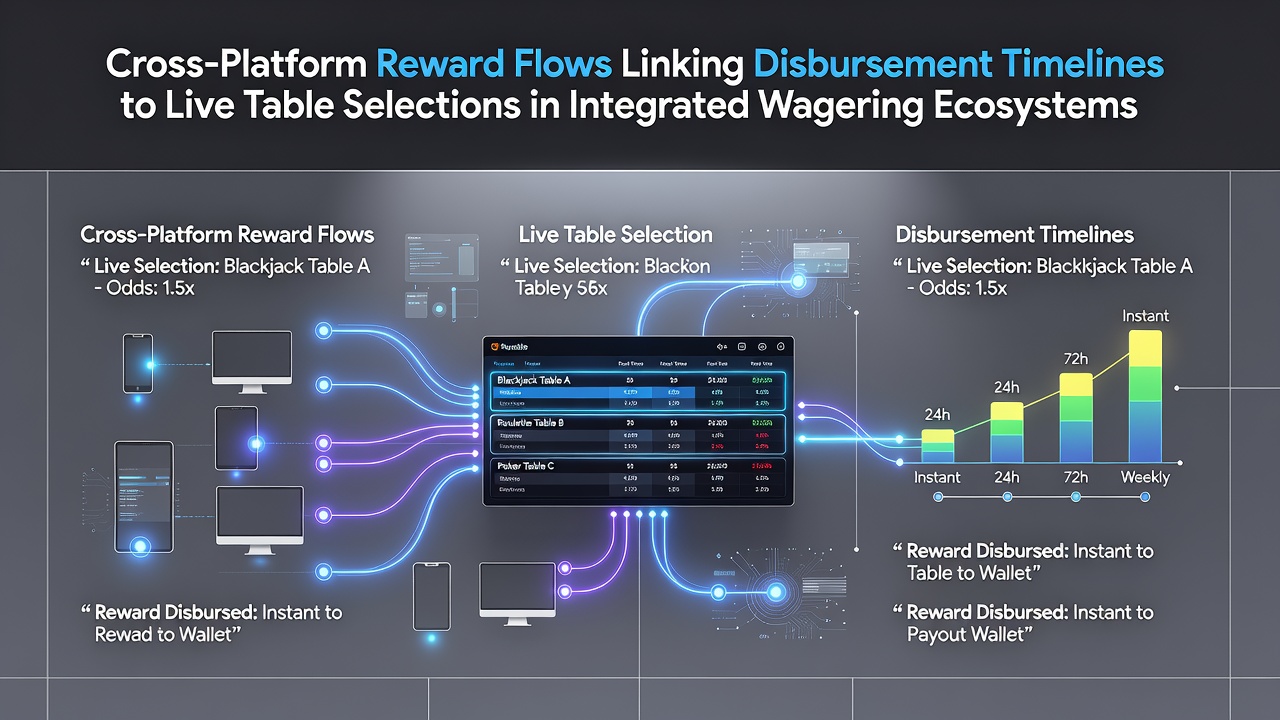
Unified Wagering Platforms Align Reward Flows with Disbursement Schedules and Table Selections
Integrated wagering ecosystems now route loyalty accumulations and cash releases through shared data layers that respond directly to player selections at live dealer tables. These systems track every table choice in real time, then adjust disbursement windows based on accumulated reward tiers and cross-platform activity. Operators have documented how a player who moves from a mobile blackjack table to a desktop roulette session can trigger accelerated fund releases when loyalty thresholds align with predefined timelines. Platform architects design the reward pathways so that disbursement schedules shorten or extend according to table occupancy data and session duration. A participant who consistently selects high-traffic live tables during peak hours often sees payout processing complete within the same business day, whereas selections at lower-volume tables may route through standard multi-day verification cycles. Data from multiple operators shows these adjustments occur automatically once the integrated ledger records both the table identifier and the reward balance.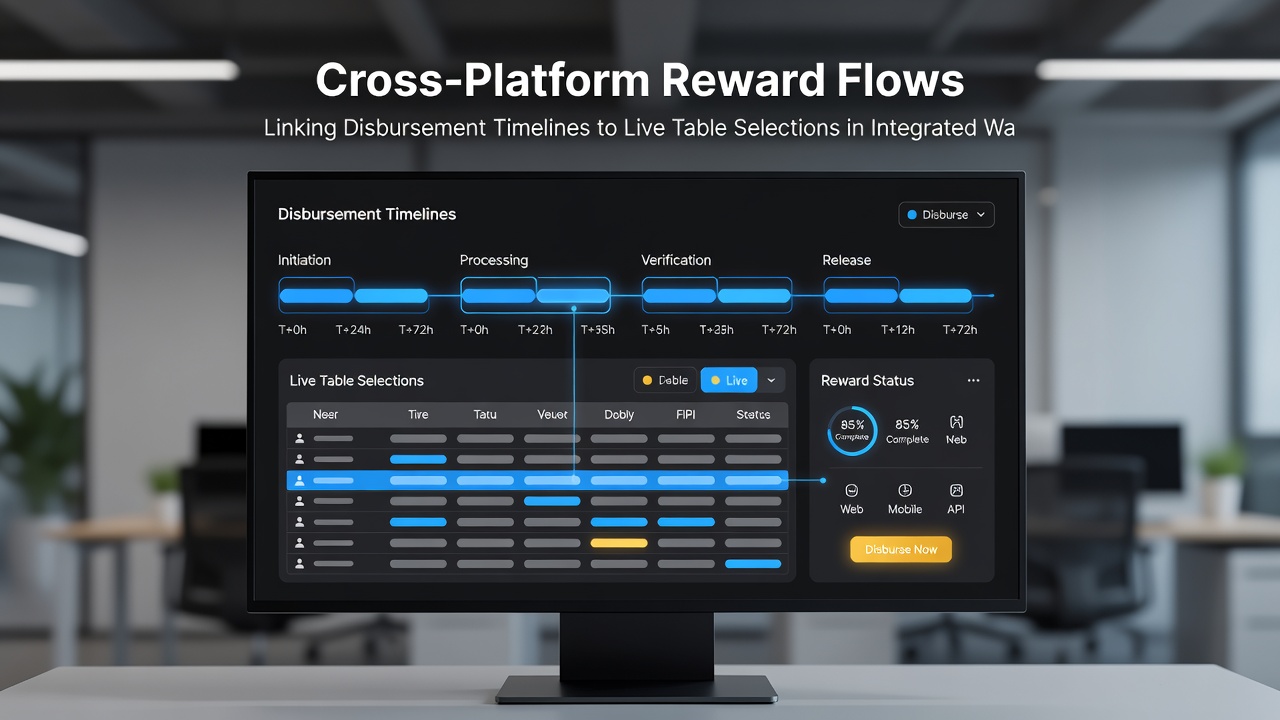
Integrated wagering ecosystems now route loyalty accumulations and cash releases through shared data layers that respond directly to player selections at live dealer tables. These systems track every table choice in real time, then adjust disbursement windows based on accumulated reward tiers and cross-platform activity. Operators have documented how a player who moves from a mobile blackjack table to a desktop roulette session can trigger accelerated fund releases when loyalty thresholds align with predefined timelines. Platform architects design the reward pathways so that disbursement schedules shorten or extend according to table occupancy data and session duration. A participant who consistently selects high-traffic live tables during peak hours often sees payout processing complete within the same business day, whereas selections at lower-volume tables may route through standard multi-day verification cycles. Data from multiple operators shows these adjustments occur automatically once the integrated ledger records both the table identifier and the reward balance.Mechanics of Cross-Platform Reward Movement
Reward tokens generated on one device transfer to another without manual intervention because the central ledger maintains a single player profile across all access points. When a user completes a live table session on a tablet, the system records the stake amount, duration, and outcome, then credits corresponding reward units that remain available on a desktop interface. Those units can then influence the speed of subsequent disbursements if they push the account into a higher tier. Operators link disbursement timelines to table selections by embedding conditional rules inside the reward engine. A rule might state that any account reaching a set loyalty level after three consecutive live poker selections qualifies for expedited wire transfers. Implementation records indicate these rules update nightly during August 2026 maintenance windows to reflect changes in table availability and regulatory reporting requirements.Live Table Selection Patterns and Their Effects
Live table interfaces feed selection data into the same database that manages payout queues. Observers note that players who rotate among multiple live dealer variants within a single session generate denser data points, allowing the system to recalculate reward eligibility more frequently. This density shortens the interval between reward accrual and disbursement authorization. One documented workflow shows a player beginning on a mobile baccarat table, switching to a desktop live blackjack table, and receiving a tier upgrade notification that immediately unlocks a faster disbursement channel. The entire sequence completes without leaving the unified ecosystem because each table selection updates the shared reward ledger in real time.