Disbursement Synchronization with Live Event Cycles in Digital Gaming and Wagering Systems
Written by Viktor Krüger · Aug 18, 2026
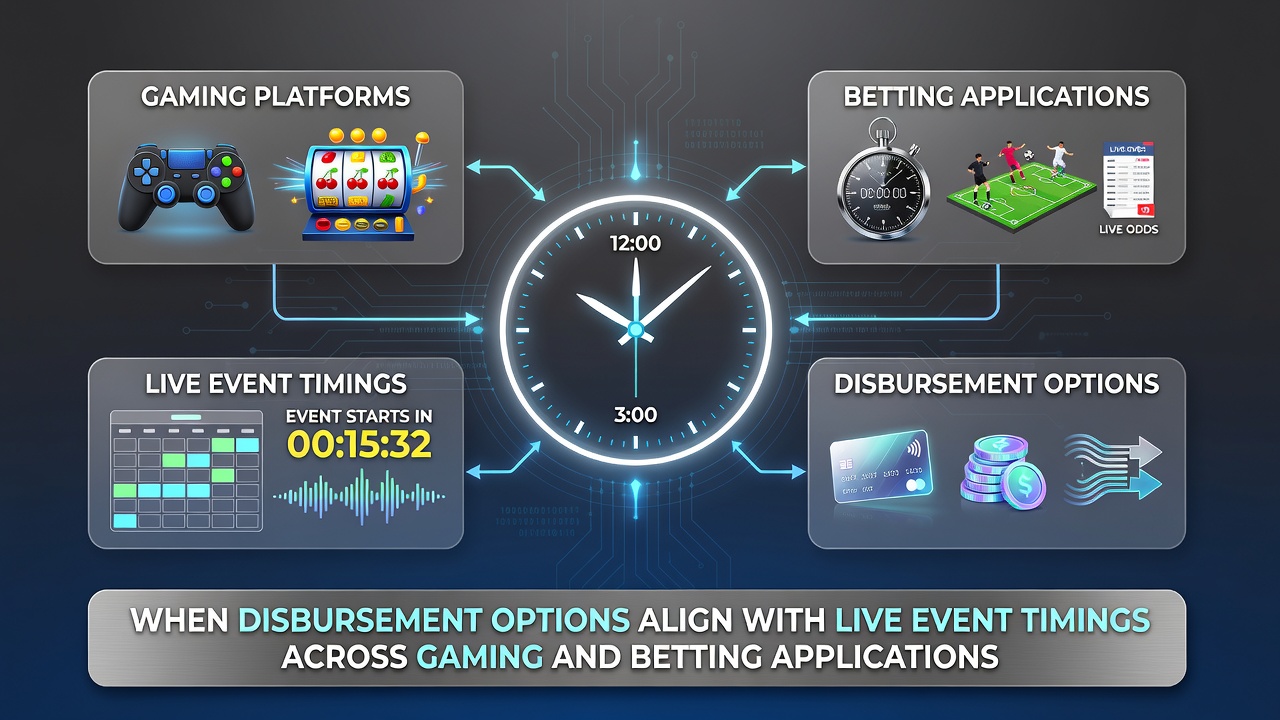
Disbursement Synchronization with Live Event Cycles in Digital Gaming and Wagering Systems
Digital platforms handling gaming and betting have developed systems that coordinate fund releases directly with the timelines of live events, creating structured processes where users access disbursements at specific intervals tied to tournament stages or match progressions. These alignments rely on backend integrations that monitor event data feeds and trigger payout mechanisms accordingly, allowing for releases during breaks, at the conclusion of rounds, or immediately following verified outcomes. Research from industry reports indicates that such coordination appears in applications spanning poker rooms, sportsbooks, and hybrid casino environments, where timing protocols reduce delays between event completion and fund availability.
Operators implement these features through application programming interfaces that connect live scoring systems to payment processors, ensuring that disbursement options activate only when certain conditions within an event are met. Data from platform analytics shows increased transaction volumes during peak event periods in regions including the United States and parts of Europe, where regulatory frameworks from bodies like the Nevada Gaming Control Board oversee compliance standards for timing accuracy. Users often encounter options such as instant transfers or scheduled releases that match the duration of live sessions, minimizing idle periods between activity and cash availability.
Integration Patterns Across Platform Types
Applications combine live event monitoring with tiered disbursement schedules, where shorter events trigger quicker release windows while extended sessions incorporate phased payouts aligned with milestones. Observers note that this approach appears frequently in mobile environments supporting both card games and sports wagers, as the synchronization helps maintain continuous user engagement without requiring separate withdrawal requests outside event contexts. Figures from market analyses reveal that platforms utilizing these alignments process higher volumes of transactions per active session compared to those with fixed daily or weekly cycles.
Technical setups involve real-time data streams from event organizers feeding into disbursement engines, which then apply rules based on user verification status and loyalty parameters. In August 2026, several major tournaments and leagues continue to test enhanced versions of these systems, with updates focusing on reduced latency between event triggers and fund movement. Those studying platform architecture point out that the result includes fewer manual interventions, as automated checks handle eligibility at each aligned timing point.
Regional Regulatory Influences on Timing Protocols
Regulatory environments shape how disbursement alignments function, with agencies across different jurisdictions setting requirements for verification steps that must complete before releases occur. The Australian Communications and Media Authority, for instance, provides guidelines that influence timing standards for operators serving that market, while similar oversight from Canadian provincial authorities affects cross-border applications. These rules ensure that synchronization does not bypass required checks, yet they permit flexibility for event-based releases when protocols are followed.
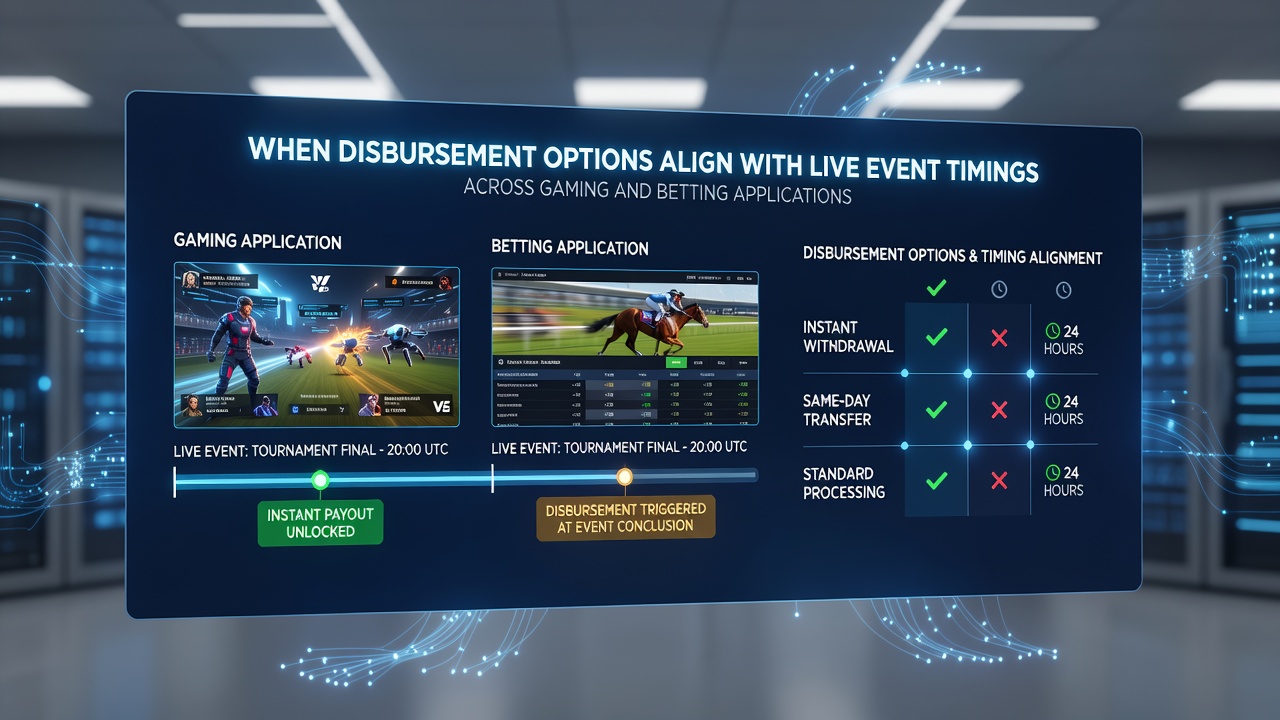
European trade groups such as the European Gaming and Betting Association have documented case examples where platforms adjusted their release schedules to better match multi-day competitions, resulting in measurable shifts in transaction patterns. Users in these systems report encountering disbursement choices presented at event intervals, such as after preliminary rounds or at half-time markers, rather than through independent requests. This structure draws from broader data on user behavior collected across platforms, where alignment correlates with sustained activity levels during live periods.
Technical Mechanisms Enabling Alignment
Backend systems employ event listeners that detect changes in live feeds and map them to predefined disbursement triggers, allowing options like e-wallet transfers or bank pushes to activate at those moments. Studies on platform performance indicate that this mapping reduces the average time from event conclusion to fund receipt when compared against non-aligned models. Developers incorporate fallback protocols for cases where live data experiences interruptions, ensuring that scheduled releases still occur within defined windows even if minor delays arise in event reporting.
Payment providers participate by offering APIs tailored for high-frequency event environments, which support the conditional logic needed for timing matches. Those implementing these solutions often integrate them with user account layers that track participation history, applying adjustments to release speeds based on accumulated activity rather than fixed rules alone. The outcome includes disbursement flows that adapt dynamically to the pace of individual events across gaming and betting formats.
Conclusion
Alignment between disbursement options and live event timings continues to evolve through combined technical, operational, and regulatory efforts across gaming and wagering applications. Platforms maintain these systems by connecting data inputs from events directly to release protocols, supporting structured access to funds at relevant points in ongoing activities. Ongoing developments through periods such as August 2026 reflect refinements in these integrations, driven by data on transaction volumes and compliance requirements from varied regional authorities.