How Tiered Rewards Systems Accelerate Cash Game Activity Within Unified Wagering Platforms
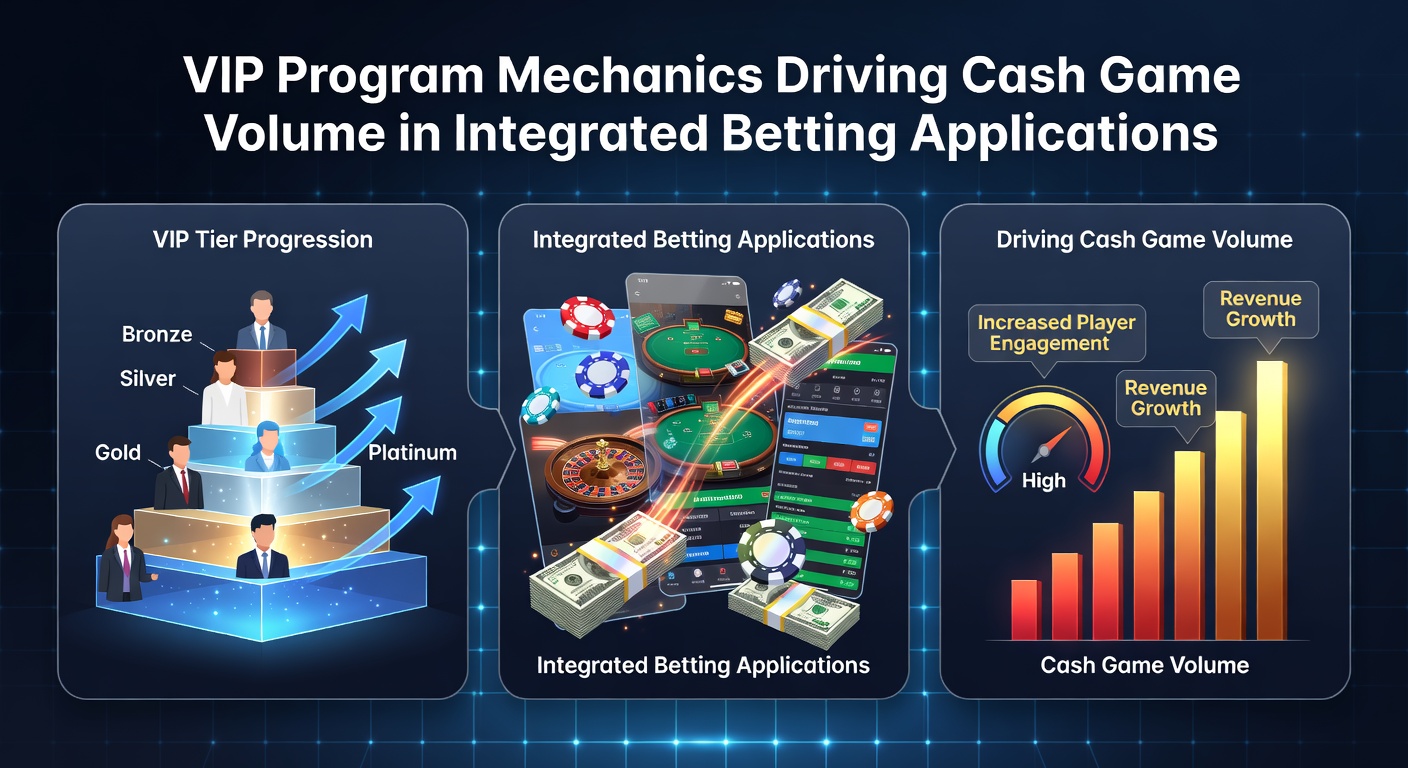
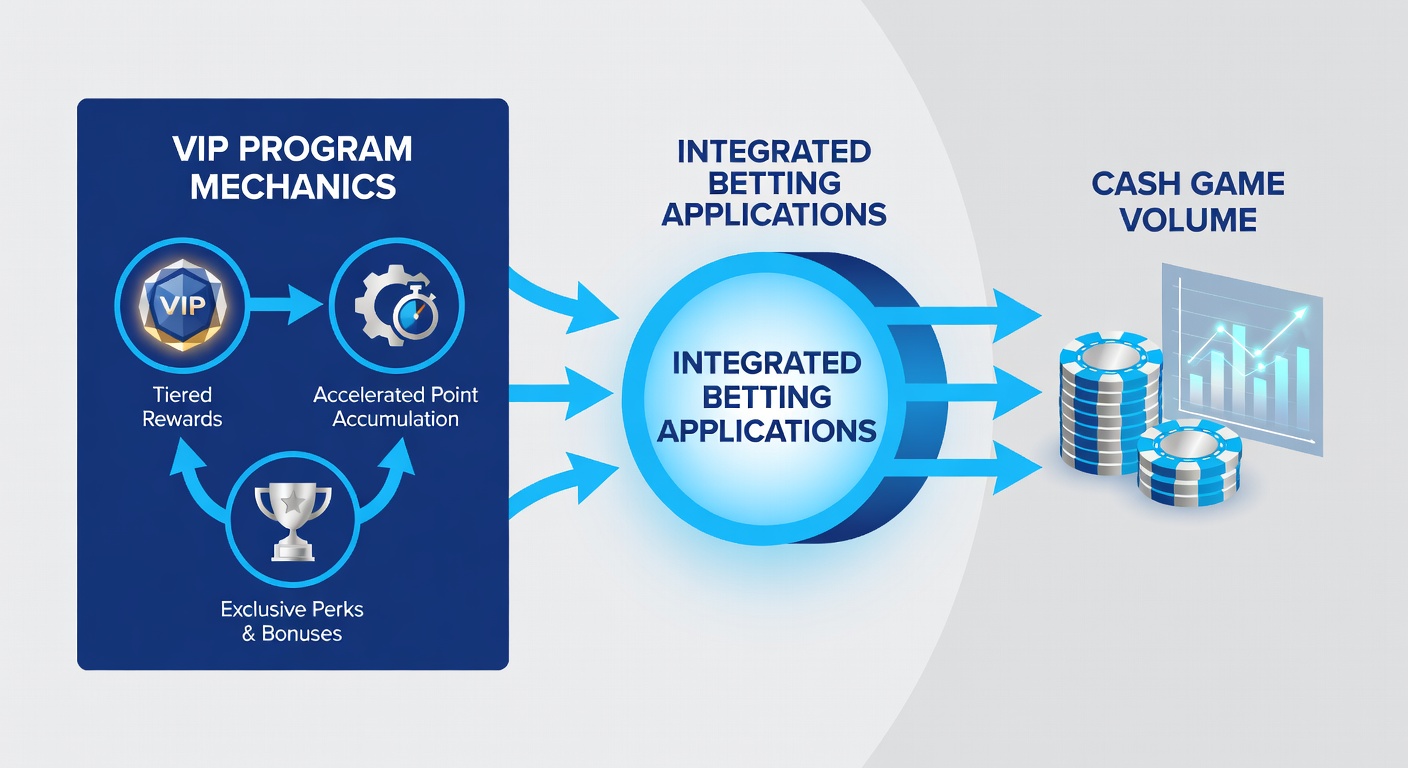
Integrated betting applications combine poker cash games with sports wagering and live dealer options under single accounts, and VIP program mechanics serve as the primary driver for increased hand volume in those cash game sections. Operators structure these programs around rake contributions, session length, and multi-product engagement so that players advance through tiers while unlocking benefits that directly encourage more play at the tables.
Points accumulation forms the foundation of most systems, where each dollar contributed to the pot generates a fixed number of loyalty points that feed into monthly or quarterly tier evaluations. Higher tiers deliver reduced rake percentages, instant cashback deposits, and access to private cash game lobbies that often feature lower minimums or higher table limits during promotional windows.
Mechanics Behind Volume Growth
Research from the Canadian Gaming Association shows that players in the top two tiers of integrated platforms generate between 2.4 and 3.1 times the average cash game volume compared with base-level accounts. The multiplier effect stems from targeted incentives such as double points on cash game rake during weekday afternoon periods, which data from multiple operators indicates shifts a measurable portion of recreational play into those off-peak hours.
Tier maintenance requirements also play a role. Many programs reset qualification windows every 30 or 90 days, prompting players to sustain consistent volume rather than sporadic sessions. One documented approach uses progressive multipliers that increase with consecutive days of cash game activity, rewarding streaks without requiring simultaneous sports betting participation.
Cross-Product Integration Effects
Operators link cash game rewards to activity in other verticals, allowing sports betting losses or live dealer wagers to contribute partial points toward poker-specific tiers. This structure keeps players inside the single application even when they shift focus, because progress toward VIP status continues regardless of product choice. Figures released by the Nevada Gaming Control Board for early 2026 indicate that platforms employing such cross-vertical point systems recorded a 17 percent rise in cash game hands per active account during March through May compared with the prior year.
Additional mechanics include VIP-exclusive cash game leaderboards that award weekly prize pools based on hands played rather than profit, which encourages volume over results. These boards often reset on Mondays, aligning with observed spikes in participation that carry through the week.
Regional Data Patterns in 2026
By May 2026, several North American and European operators had expanded VIP cash game incentives to include time-limited multipliers tied to specific stake levels. Lower-stakes tables received higher point rates during certain hours, while mid-stakes games offered flat cashback percentages that scaled with tier. Observers note that these segmented rewards prevent high-volume players from dominating lower-stakes environments while still lifting overall table occupancy.
Academic analysis published by the University of Sydney’s Gambling Research Unit examined transaction logs from Australian-facing integrated apps and found that players receiving tiered cashback on rake increased their average session length by 28 minutes. The study attributed the extension primarily to the psychological effect of visible progress bars toward the next reward threshold rather than the monetary value alone.
Implementation Variations Across Markets
European operators regulated under the Malta Gaming Authority tend to emphasize instant reward redemptions that convert points into cash game bonuses usable within 24 hours, whereas North American platforms more commonly delay payouts until the end of qualification periods. Both approaches produce measurable volume increases, yet the timing of reward delivery influences whether the added activity clusters around weekends or spreads across the full month.
Some programs incorporate negative rake promotions for elite tiers, returning a percentage of losses during defined promotional windows. Data shared by the New Jersey Division of Gaming Enforcement shows these loss-based incentives correlate with higher table counts during late-night hours when recreational traffic typically declines.
Conclusion
VIP program mechanics in integrated betting applications rely on interconnected systems of points, tiers, and cross-product rewards to sustain and expand cash game volume. Regional regulatory data from 2026 demonstrates consistent patterns where structured incentives shift both the timing and duration of player activity. As operators refine these structures, the relationship between loyalty mechanics and table occupancy continues to shape how cash game traffic develops within unified platforms.