Intersecting Cashout Frameworks with Competitive Advancement in Cross-Platform Wagering Environments
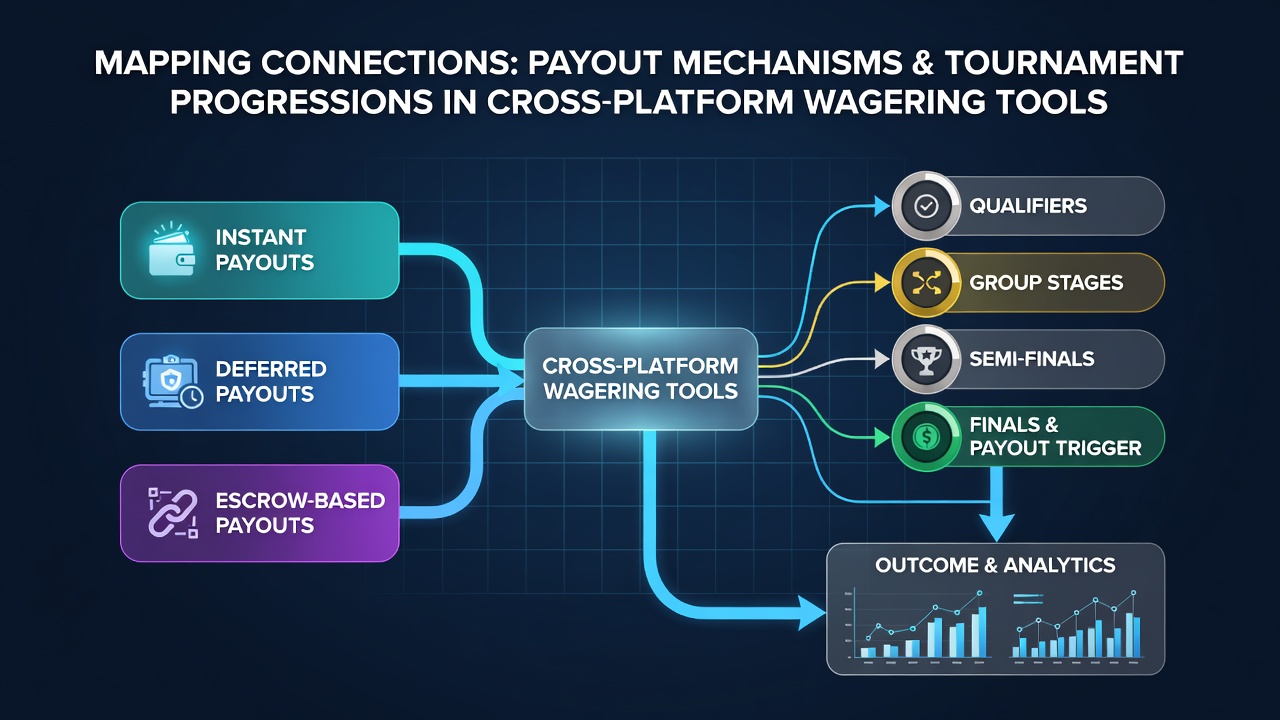
Cross-platform wagering tools integrate payout mechanisms directly with tournament progressions through synchronized databases that track user advancement from initial entry fees to final distributions and observers note these connections allow seamless transitions between devices without interrupting reward flows. Research from industry analysts shows how live event stages trigger automated disbursements once participants reach milestones such as final tables or specific win thresholds while data from multiple operators reveals consistent patterns in how loyalty accumulations accelerate cash releases tied to those same progress points.
Core Components of Payout Integration
Payment systems in these environments rely on real-time APIs that connect tournament software with banking modules so that when a player advances past early rounds the system calculates partial rewards based on current standings and feeds them into pending cashout queues. Those who've examined platform architectures find that cross-device compatibility stems from cloud-based ledgers which update simultaneously across mobile applications and desktop clients ensuring no lag occurs between progression updates and disbursement authorizations. Figures from regulatory filings indicate operators process thousands of such linked transactions daily during peak tournament seasons and this volume increases notably in periods like June 2026 when major international events draw participants from varied regions.
Progression Stages and Reward Triggers
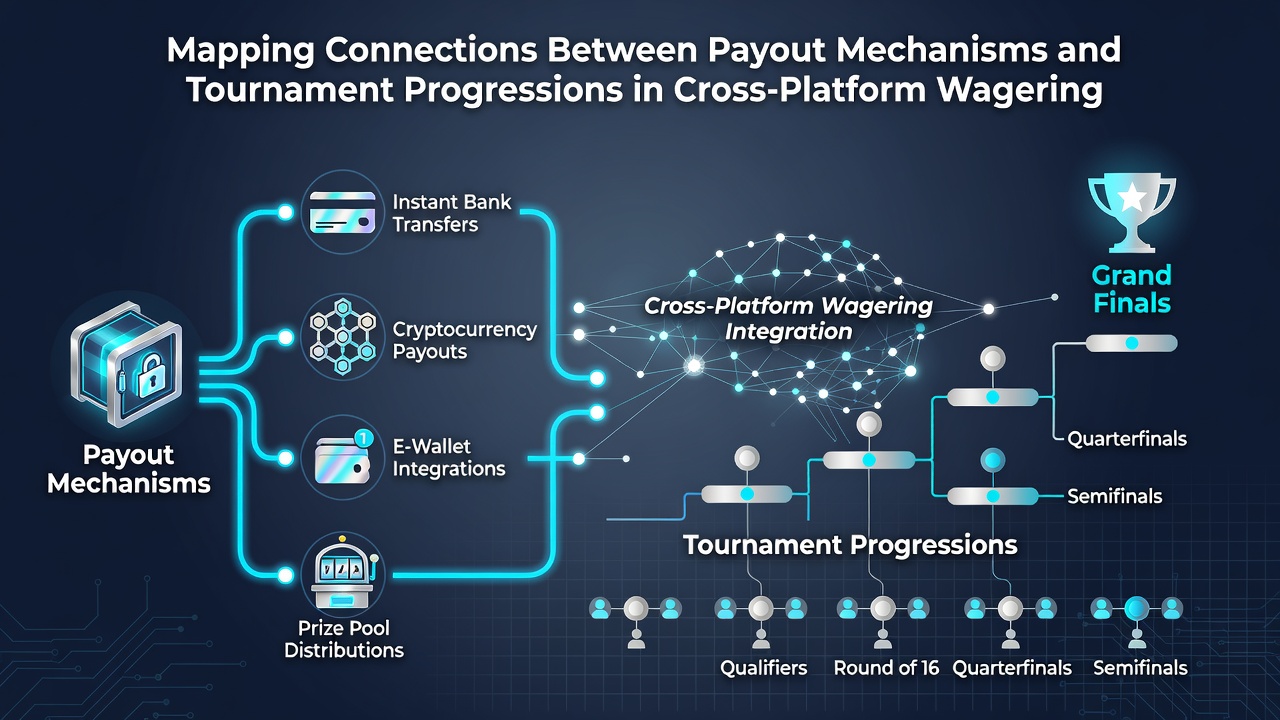
Tournament structures typically divide into phases including registration, preliminary rounds, semifinals and finals with each phase activating distinct payout rules that reward earlier exits at lower tiers yet escalate dramatically for deeper runs. Experts have observed that unified platforms embed conditional logic within their code so reaching a quarterfinal for instance unlocks bonus multipliers drawn from accumulated loyalty points while final placements route funds through expedited verification protocols. According to studies compiled by the Australian Gambling Research Centre these layered triggers maintain user engagement by aligning immediate cash access with visible advancement metrics across all supported interfaces.
One case documented in operator reports involved a series of multi-table events where mid-stage eliminations prompted instant micro-payments to participant wallets and these releases then fed back into new entry selections without requiring separate account actions. The reality is such feedback loops depend on secure data handoffs between tournament engines and financial processors to prevent discrepancies during high-traffic windows.
Technical Architecture Supporting Cross-Platform Links
Developers build these connections using modular frameworks that separate tournament logic from payment gateways yet maintain constant synchronization through encrypted channels and this separation allows independent scaling of each component during large-scale competitions. Data shows mobile interfaces often serve as primary entry points for progression tracking while desktop versions provide detailed analytics on upcoming disbursement schedules. Researchers at institutions including the University of Nevada Las Vegas have documented how these architectures reduce processing delays by up to forty percent when users switch devices mid-event because cached session data carries forward all relevant milestone information.
But here's the thing: security protocols must verify device authenticity at each payout junction to comply with varying regional standards and this verification step integrates directly into the progression pipeline rather than operating as an add-on process. Observers note that during June 2026 calendars filled with overlapping international tournaments these integrated checks become essential for handling simultaneous cashouts across thousands of accounts.
Regulatory Influences on System Design
Government agencies such as the Nevada Gaming Control Board require transparent mapping of every reward trigger to its corresponding tournament stage so that audits can trace funds from entry to final release without gaps. Similar expectations appear in reports issued by Canadian provincial regulators which emphasize audit trails covering cross-platform movements and these requirements push operators toward standardized data formats that facilitate compliance checks. Industry associations including the World Lottery Association have published guidelines that encourage consistent milestone definitions across operators thereby easing integration efforts for multi-jurisdiction tools.
Future Developments in Connected Mechanisms
Emerging updates focus on incorporating predictive algorithms that forecast payout volumes based on current tournament brackets and these tools help platforms pre-allocate liquidity to avoid bottlenecks at critical progression points. Those who've reviewed technical roadmaps find increased emphasis on blockchain elements for immutable record-keeping of advancement and reward events although adoption remains gradual due to existing infrastructure commitments. Evidence from pilot programs suggests such enhancements could further tighten the alignment between live progressions and immediate cash access across all device types.
Conclusion
Overall the mapping of payout mechanisms to tournament progressions creates efficient unified experiences within cross-platform wagering tools as evidenced by synchronized data flows documented across multiple operator systems and regulatory reviews. Continued refinements in architecture and compliance frameworks support these connections while maintaining operational integrity during intensive periods such as June 2026 event schedules.