Mobile Interfaces Redefining Reward Structures in Live Digital Competitions
Written by Viktor Krüger · Aug 23, 2026
Mobile Interfaces Redefining Reward Structures in Live Digital Competitions
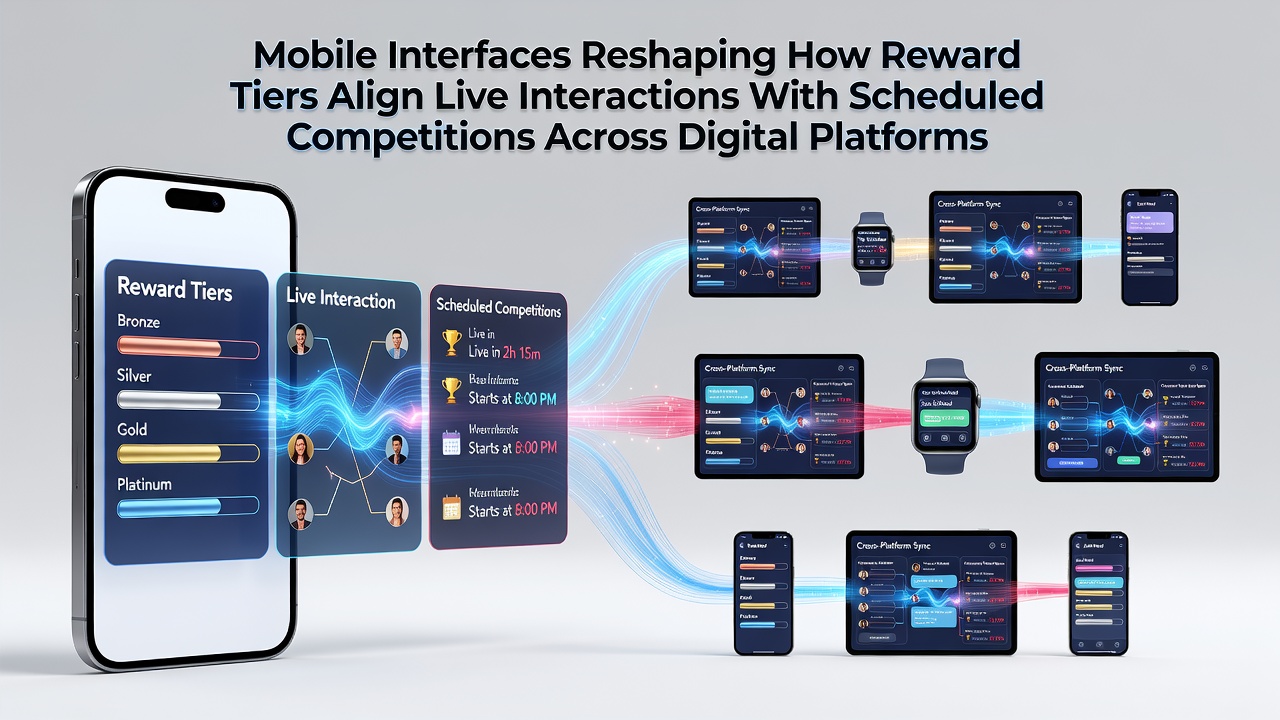
Digital platforms have seen mobile interfaces evolve into central hubs that connect reward tiers directly to both live user interactions and fixed competition calendars, and this integration has accelerated since early 2025 as developers rolled out unified dashboards across gaming and wagering applications. Observers note that users now access tiered benefits such as bonus multipliers and priority entries through the same screens that display upcoming events, which reduces friction between daily play and major scheduled tournaments. Data from industry tracking shows that platforms implementing these unified views recorded higher session continuity rates during peak months, particularly when major series like the 2026 World Series of Poker launched its August schedule in Las Vegas venues.
Interface Features Driving Tier Alignment
Design teams have incorporated real-time synchronization protocols that pull live interaction data, such as table activity or in-app wagers, and map them automatically to reward progress bars, while scheduled competition windows appear as calendar overlays with direct enrollment buttons. These systems allow reward accumulation from spontaneous sessions to count toward qualification for bracketed events without separate logins or manual tracking. Researchers at academic institutions have documented how push notification layers alert users when live milestones unlock tier upgrades that also apply to upcoming fixed-date contests, and this dual-purpose alerting has become standard in apps serving multiple regions.
One study released by the University of Nevada Reno examined user behavior on integrated platforms and found that participants who navigated combined live and scheduled views completed more reward cycles per month compared with those using fragmented menus. The findings highlight how color-coded progress indicators and swipe gestures for switching between live feeds and competition lists contribute to sustained engagement across time zones.
Regional Regulatory Context and Platform Adaptations
Regulatory bodies have begun publishing guidelines on transparent display of reward mechanics within mobile environments, and the Nevada Gaming Control Board issued updated compliance notes in mid-2026 requiring clear separation between live interaction rewards and scheduled event entries. Similar frameworks emerged from the Australian Communications and Media Authority, which emphasized data accuracy when mobile systems align tier benefits across different competition formats. Platforms responded by embedding audit logs that record every reward adjustment tied to either live play or calendar events, ensuring traceability for oversight reviews.
Technical Mechanisms Behind the Shifts
Backend algorithms now aggregate live metrics such as hands played or wagers placed and feed them into tier advancement engines that simultaneously factor in registration deadlines for upcoming tournaments, and this parallel processing occurs within milliseconds on most modern devices. Developers have added API connections that pull official competition schedules from centralized databases, allowing reward tiers to reflect eligibility windows without manual updates from operators. Those who've examined code repositories note the use of event-driven architectures that trigger tier recalculations whenever a live session ends or a scheduled bracket opens, which minimizes latency during high-traffic periods like the opening weeks of large annual series.
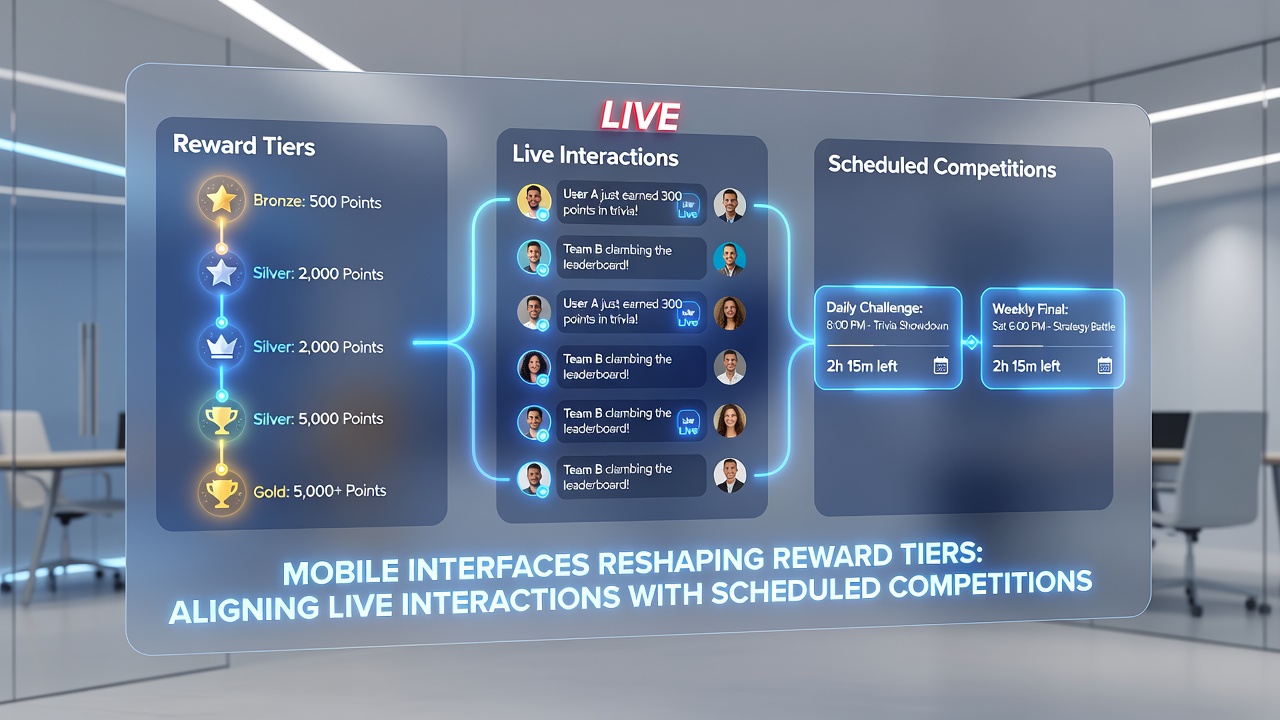
Case examples from North American operators illustrate the pattern, where one platform introduced a unified rewards panel in spring 2026 that displayed both current tier status from live cash sessions and countdowns to major bracket events, resulting in documented increases in cross-format participation according to internal metrics shared with industry analysts. European developers followed with similar modules after reviewing compliance standards from the Malta Gaming Authority, adapting the same alignment logic to local competition calendars while maintaining compatibility with varying data privacy rules.
Impact on User Navigation Patterns
Analytics firms tracking mobile traffic report that users spend longer intervals within single sessions when reward tiers and competition schedules occupy adjacent interface zones, because transitions between live interactions and scheduled planning require fewer taps. The reduction in navigation steps has been measured across devices, with tablet versions showing particularly strong retention during multi-week tournament cycles. Observers have recorded that tier progression visuals update dynamically during live play, and the same visuals carry forward into pre-event planning screens without resetting or requiring refresh actions.
Industry reports from the European Gaming and Betting Association indicate that platforms adopting these mobile-first alignments saw measurable upticks in cross-border user registrations ahead of synchronized international events, as reward portability across live and scheduled formats became a visible selling point in app store descriptions.
Conclusion
The ongoing refinement of mobile interfaces continues to link reward tiers more tightly to the rhythms of both spontaneous live interactions and predetermined competition schedules across digital platforms, supported by technical standards and regulatory expectations that emerged through 2026. Data collected by multiple oversight entities and research groups shows consistent patterns of improved continuity when these elements share unified visual and functional spaces, and further adjustments are anticipated as new hardware capabilities and compliance requirements develop in subsequent periods.