Payout Mechanisms and Loyalty Tiers Drive Shifts in Virtual Table Game Participation
Written by Viktor Krüger · Jul 28, 2026
Payout Mechanisms and Loyalty Tiers Drive Shifts in Virtual Table Game Participation
Understanding Core Structures in Digital Wagering
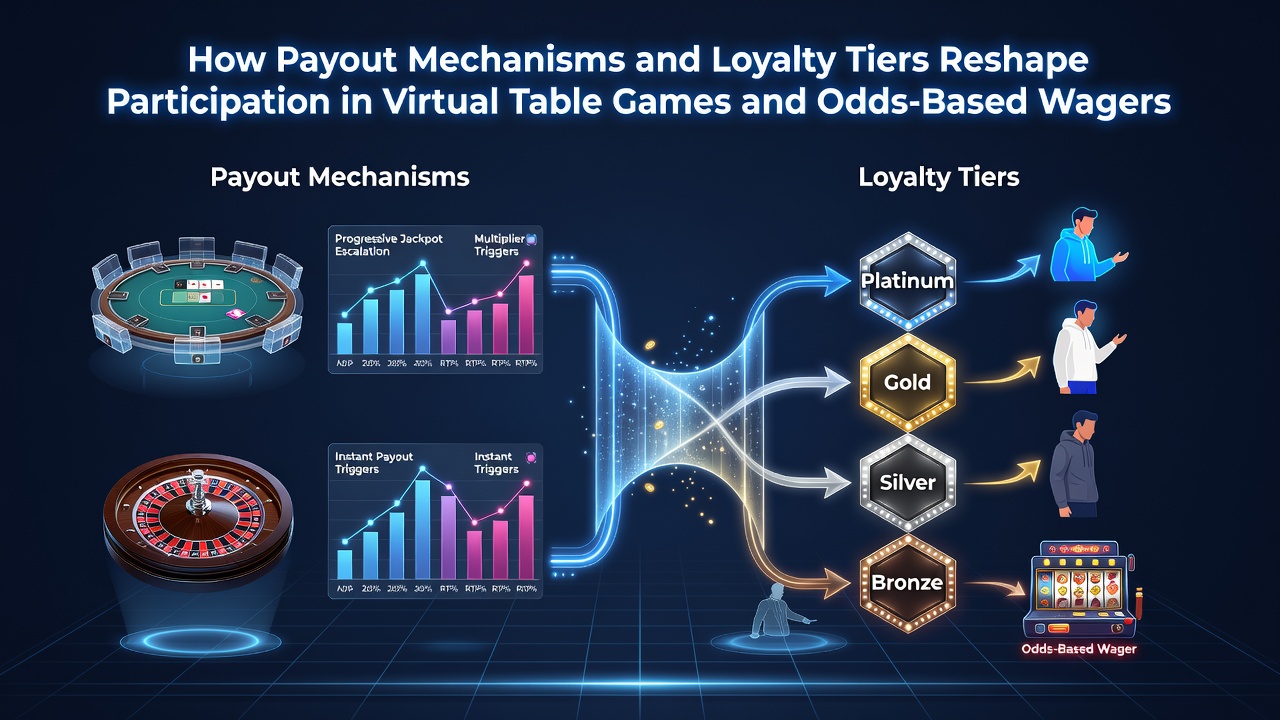
Payment release protocols and multi-level reward programs operate as interconnected systems that adjust how participants approach virtual table games and probability-driven bets, with data from regulatory filings showing measurable changes in session lengths and wager volumes during the first half of 2026. Platforms integrate instant verification tools with tiered accumulation rates, allowing faster access to funds while participants climb status levels that unlock reduced rake or enhanced odds multipliers.
Observers tracking platform analytics note that accelerated cashout options correlate with higher repeat login rates, particularly when paired with loyalty thresholds that grant cashback percentages scaling from one percent at entry levels to five percent at top tiers. Research from the Alcohol and Gaming Commission of Ontario indicates these combined features contribute to steadier traffic patterns in electronic poker variants and sports-linked odds markets throughout spring and early summer periods.
Effects on Virtual Table Game Activity
Virtual blackjack and roulette environments experience distinct adjustments when disbursement speeds shorten from forty-eight hours to under six, as documented in aggregated user data reports released in July 2026. Players maintain longer continuous sessions because immediate fund availability reduces friction between rounds, while loyalty points earned per hand contribute to monthly reward redemptions that further stabilize participation numbers.
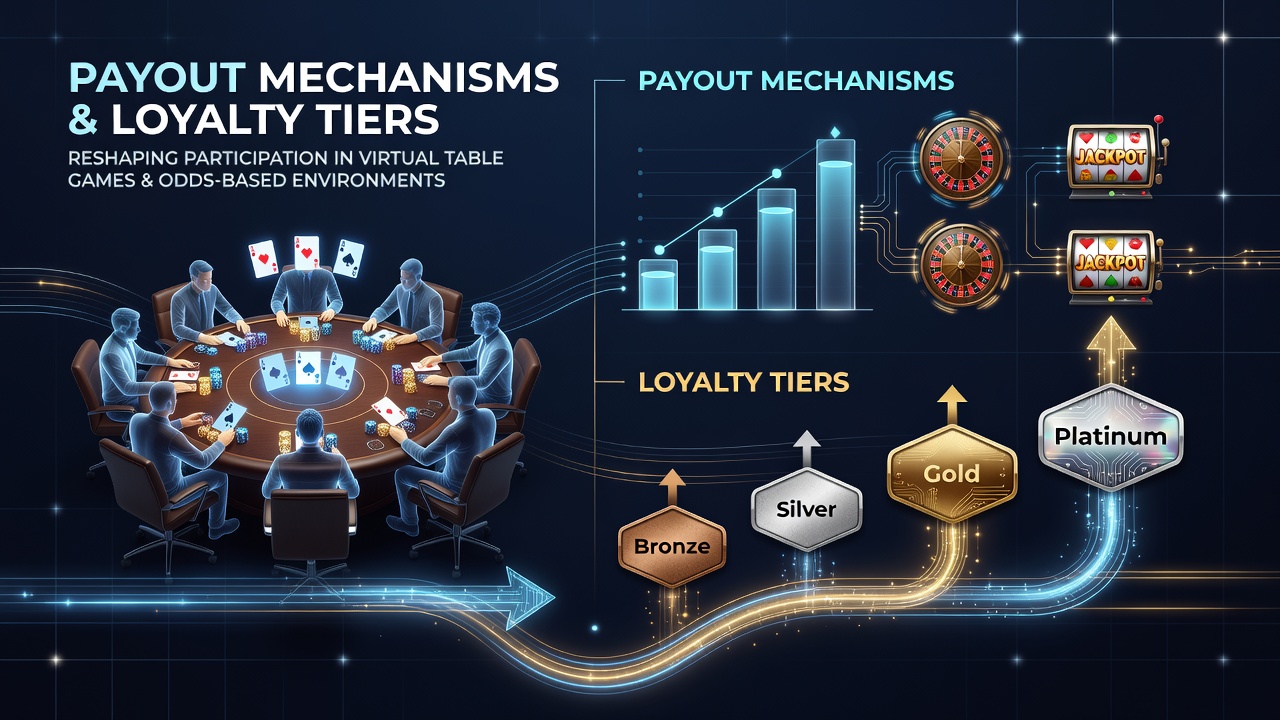
One analysis of North American operator logs reveals that platforms offering loyalty-driven seat reservations for high-limit tables saw a twenty-three percent rise in cash game volume compared to the same quarter in the prior year. These systems connect directly to odds-based side bets within the same interface, creating pathways where accumulated status points convert into boosted payouts on specific table outcomes.
Influence on Odds-Based Wager Formats
Odds markets integrated with loyalty frameworks demonstrate parallel shifts, especially where payout timelines align with tier advancement milestones. Participants who reach mid-tier status often receive priority access to enhanced lines or reduced vig on live event wagers, leading to redistributed betting volumes across mobile applications during major tournament windows.
Figures compiled by the Nevada Gaming Control Board highlight that operators linking reward accumulations to odds wagers recorded increased handle on prop-style markets in June and July 2026. The connection between faster fund releases and tiered bonus credits encourages more frequent smaller stakes on evolving live odds rather than isolated large single bets.
Integrated Platform Dynamics Observed in 2026
Unified environments that merge table game interfaces with sportsbook modules allow loyalty points to transfer across both categories, producing cross-activity spikes when payout processing completes within the same cycle. Data from industry monitoring groups shows this integration results in elevated average daily active users, particularly among accounts that maintain consistent tier progress through combined table and odds play.
Those monitoring Australian wagering reports from the past twelve months note similar patterns where tiered reward multipliers apply to both virtual card outcomes and fixed-odds selections, creating incentive loops that sustain platform engagement without requiring separate loyalty tracking systems.
Conclusion
Disbursement efficiency paired with graduated reward structures continues to recalibrate participation metrics across virtual table games and odds-based offerings. Regulatory datasets and operator performance summaries from multiple jurisdictions confirm these mechanisms influence session frequency, wager distribution, and cross-format movement as platforms refine their systems through the remainder of 2026.