Prop Bet Structures and Their Influence on Disbursement Processes in Mobile-Integrated Betting Platforms
Written by Yara Otto · Aug 25, 2026

Prop Bet Structures and Their Influence on Disbursement Processes in Mobile-Integrated Betting Platforms
Prop bet mechanics operate through layered rule sets that define specific outcomes within broader card and wager environments, and these layers connect directly to disbursement timelines when mobile platforms process results in real time. Systems track individual prop conditions such as exact card combinations or player performance thresholds, then route verified results into automated settlement queues that determine when funds become available. Observers note that integration points between prop tracking modules and payout engines often rely on timestamp synchronization to avoid delays, particularly when multiple bets resolve during the same session.
Core Components of Prop Bet Execution
Developers structure prop bets around conditional triggers that activate only after base game events conclude, which means disbursement timelines shift based on the sequence of verification steps required for each trigger. Mobile applications pull live data feeds from card tables or sports events, apply prop-specific algorithms to confirm outcomes, and then flag eligible payouts for immediate or scheduled release. Data from the Nevada Gaming Control Board shows that platforms handling high volumes of these bets maintain separate processing lanes for props to prevent bottlenecks in standard wager settlements.
Integration with card platforms adds another dimension because prop conditions frequently reference in-game variables like hand rankings or draw probabilities that must be cross-checked against recorded play logs. Those who've examined platform architectures report that API handoffs between the prop engine and the disbursement service occur within milliseconds, yet external factors such as network latency or compliance checks can extend the actual fund availability window by several minutes. Researchers at institutions studying digital wagering have documented cases where prop resolution speed directly correlates with the complexity of the underlying condition set.
Disbursement Timelines in Unified Mobile Systems
Fund release schedules in these environments depend on tiered verification protocols that assess both the prop bet itself and the user's account status before authorizing transfers. Mobile-integrated platforms often apply progressive disbursement rules, where simpler props clear faster than those involving multiple conditional layers or live dealer interactions. Figures from the New Jersey Division of Gaming Enforcement indicate that average processing intervals for prop-related cashouts range between 30 seconds and five minutes during peak hours, depending on the platform's internal queue management.
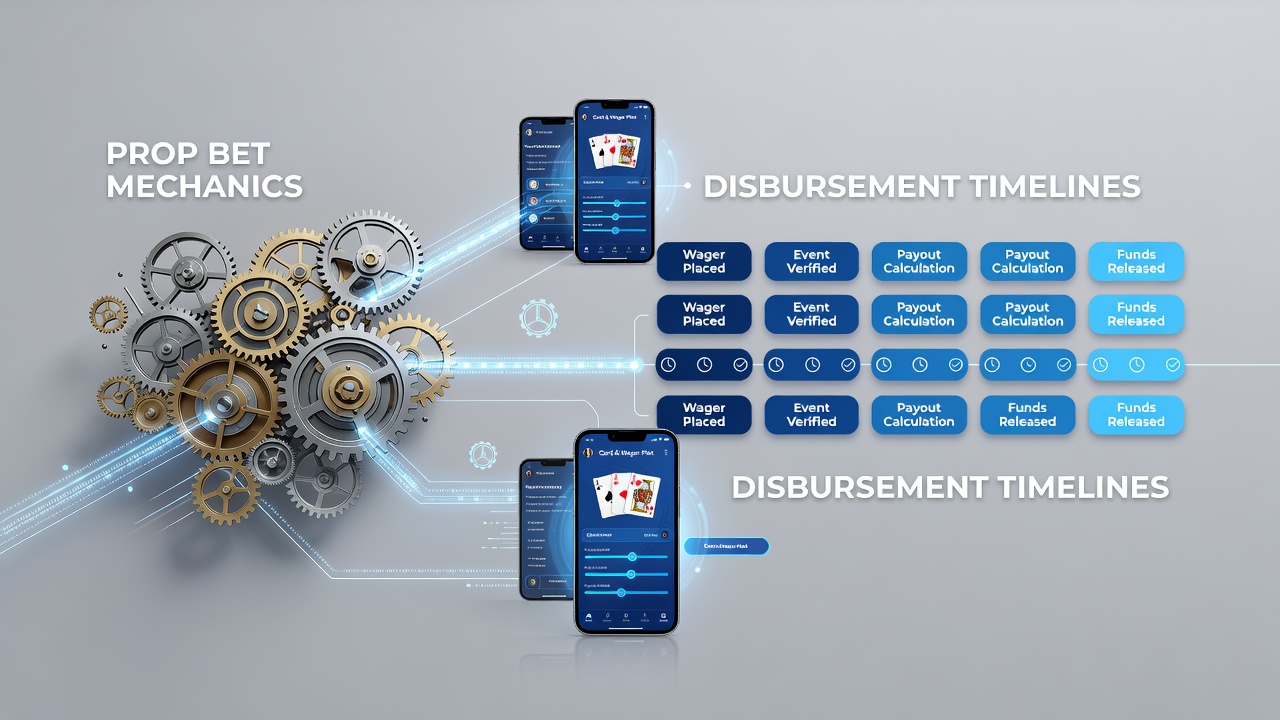
August 2026 brought several updates to settlement APIs across major providers, allowing tighter coupling between prop outcome confirmation and instant bank transfers. These changes reduced the number of manual review stages for low-value props while preserving full audit trails for larger amounts. Industry reports highlight that platforms adopting these enhancements saw measurable decreases in user-initiated support tickets related to delayed payouts, particularly in regions with strict transaction reporting requirements.
Regulatory and Technical Intersections
Regulatory frameworks in various jurisdictions require that prop bet mechanics remain transparent to users, which influences how disbursement timelines are displayed within mobile interfaces. Platforms must publish estimated release windows alongside each prop option, and deviations from those estimates trigger compliance notifications. The Australian Communications and Media Authority has issued guidelines emphasizing clear disclosure of processing dependencies, including any reliance on third-party payment processors that handle final fund movement.
Technical standards from organizations such as the Gaming Standards Association further specify data formats that ensure prop results feed seamlessly into disbursement ledgers. When these standards are followed, mobile applications can present unified timelines that combine card game settlements with sports wager resolutions, reducing fragmentation for users who engage across both categories. Evidence from platform audits shows that consistent data formatting lowers error rates in automated payouts by measurable margins.
Conclusion
Prop bet mechanics continue to shape disbursement timelines through their dependence on precise outcome verification and real-time data integration within mobile card and wager platforms. As systems evolve, the alignment between conditional betting structures and fund release processes remains a central focus for developers and regulators alike, with ongoing refinements driven by technical standards and jurisdictional requirements.