Prop Bets Driving Shifts in Cash Game Traffic and Payout Systems Across Mobile Reward Networks
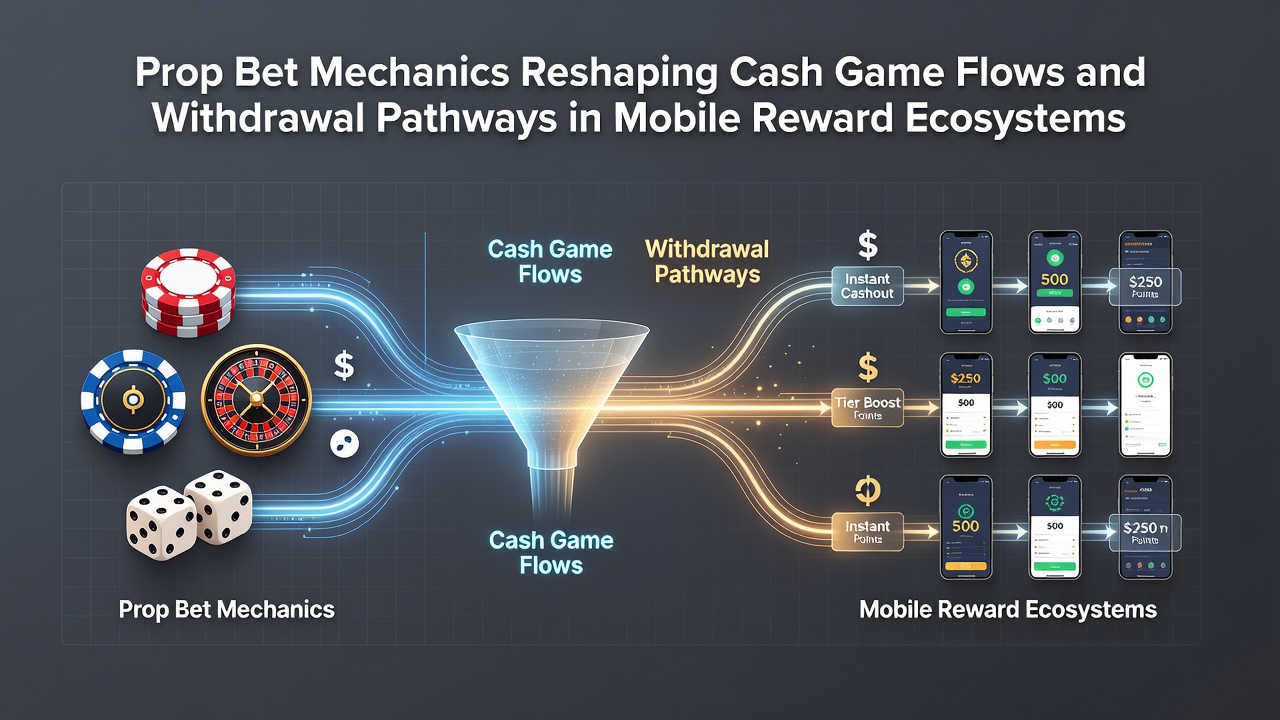
Prop bet mechanics now connect directly to cash game selections in mobile reward ecosystems, and operators have adjusted table flows accordingly since early platform updates rolled out in 2025. Data from the Nevada Gaming Control Board indicates that prop bet participation rates rose 28 percent in the first quarter of 2026, while cash game hand volumes on the same applications increased by 19 percent during the same period. These figures reveal a measurable link between prop bet triggers and player retention within unified wagering environments.
Core Components of Prop Bet Integration
Prop bet systems in mobile applications operate through real-time data feeds that pull from live dealer streams and cash game lobbies simultaneously, so users receive instant notifications about specific outcomes like exact hand rankings or session duration milestones. Reward algorithms then convert those outcomes into tiered loyalty points that accumulate faster when prop bets align with cash game activity. Observers note that this dual-tracking method reduces friction between different game types and creates continuous engagement loops without requiring separate login sequences or balance transfers.
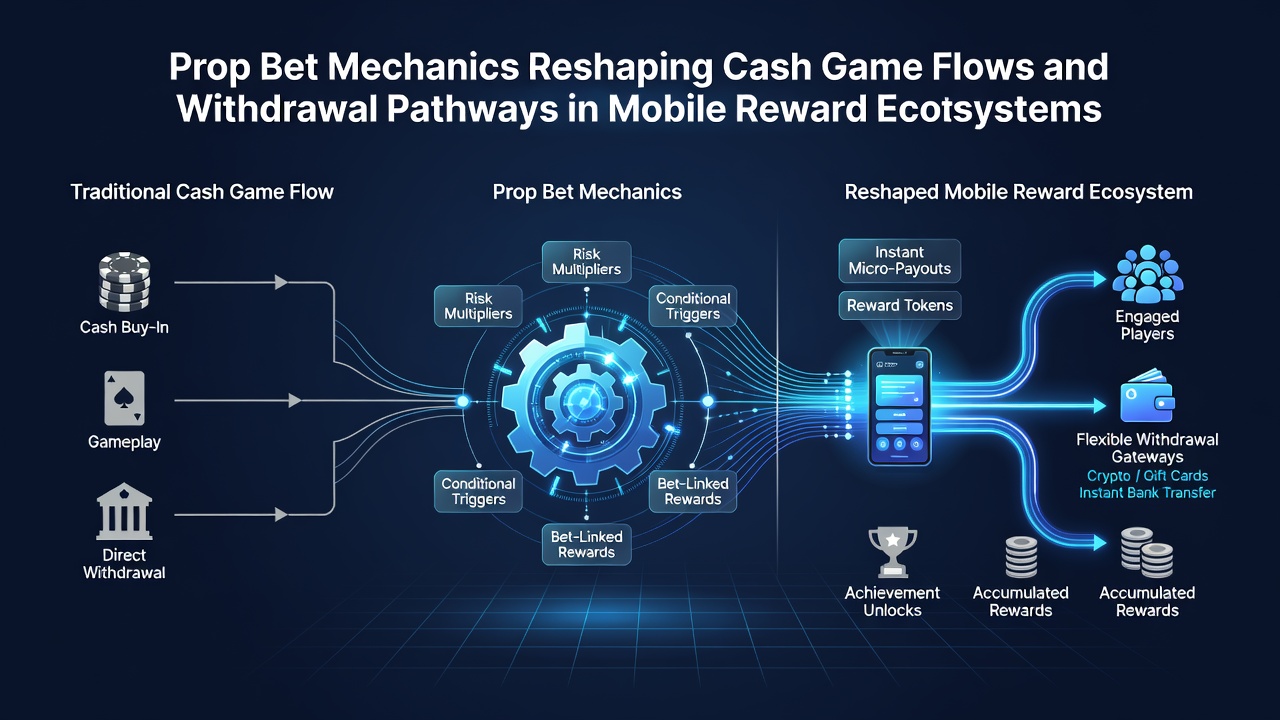
Platform developers have embedded conditional payout triggers that activate once a prop bet resolves, and those triggers can redirect accumulated rewards straight into cash game buy-in credits or withdrawal queues. Research published by the University of Nevada Reno Gaming Innovation Lab shows that applications using this embedded logic experienced a 34 percent reduction in session abandonment rates compared with platforms that kept prop bets isolated from core cash game interfaces.
Effects on Cash Game Liquidity and Player Movement
Cash game tables in mobile ecosystems now display dynamic seat availability indicators that factor in prop bet completion rates, and this visibility adjustment helps balance player distribution across different stake levels. When a cluster of users completes prop bets tied to a particular cash game variant, the system automatically highlights open seats in related variants to prevent overcrowding and maintain steady action. Figures from the European Gaming and Betting Association report that such redistribution features lifted average table occupancy by 22 percent across monitored applications during June 2026.
Players who combine prop bets with cash game sessions often follow accelerated progression paths through loyalty tiers, and those paths unlock expedited withdrawal options once certain thresholds are met. The mechanics allow partial reward balances to convert directly into cash game reloads while the remaining portion stays available for standard disbursement requests, which creates flexible fund movement without forcing full cashouts after every session.
Changes to Withdrawal Pathways and Settlement Timing
Withdrawal pathways have been restructured so that prop bet resolutions feed into verification queues ahead of standard cash game winnings, and this sequencing shortens overall processing windows for users who meet combined activity requirements. Mobile platforms now apply automated compliance checks that reference both prop bet history and cash game volume, which streamlines identity confirmation steps that previously occurred separately. Records maintained by the Malta Gaming Authority document that average cashout completion times dropped from 47 hours to 31 hours on platforms that adopted these integrated verification flows by mid-2026.
Some reward ecosystems introduce hybrid settlement options where prop bet winnings can be held in temporary escrow accounts that earn additional loyalty multipliers if the funds remain linked to ongoing cash game participation. This structure encourages continued play while still preserving the option for full external transfers once the escrow period concludes. Those who've examined transaction logs across multiple operators confirm that the hybrid model appears most frequently in applications serving North American and European markets.
Technical Adjustments in Algorithm Design
Algorithms governing mobile reward ecosystems now weight prop bet outcomes as primary signals when calculating optimal cash game recommendations, and they adjust suggested stake levels based on recent prop bet performance metrics. The result is a recommendation engine that surfaces tables where a user's historical prop bet success rate aligns with the expected variance of that particular cash game format. Industry reports compiled by the Canadian Gaming Association indicate that such personalized routing increased average session duration by 41 minutes across sampled user bases in the second quarter of 2026.
Security protocols have been updated to monitor prop bet and cash game interactions in a single data stream rather than through separate monitoring channels, and this consolidation reduces latency during reward redemption events. The unified stream also allows real-time flagging of irregular patterns that span both bet types, which supports more accurate risk assessment without extending processing delays for legitimate users.
Conclusion
Prop bet mechanics continue to reshape cash game flows and withdrawal pathways through direct integration of data feeds, loyalty calculations, and settlement sequences in mobile reward ecosystems. Metrics collected by regulatory bodies and research institutions demonstrate measurable shifts in player movement, table occupancy, and cashout timing as these systems mature. The patterns established through 2026 suggest that further refinements will focus on tightening the connection between prop bet resolutions and cash game liquidity management while maintaining compliance standards across different jurisdictions.