Synchronization of Cash Game Rotations with Sportsbook Accumulator Thresholds through Adaptive Loyalty Interfaces
Written by Viktor Krüger · Aug 16, 2026
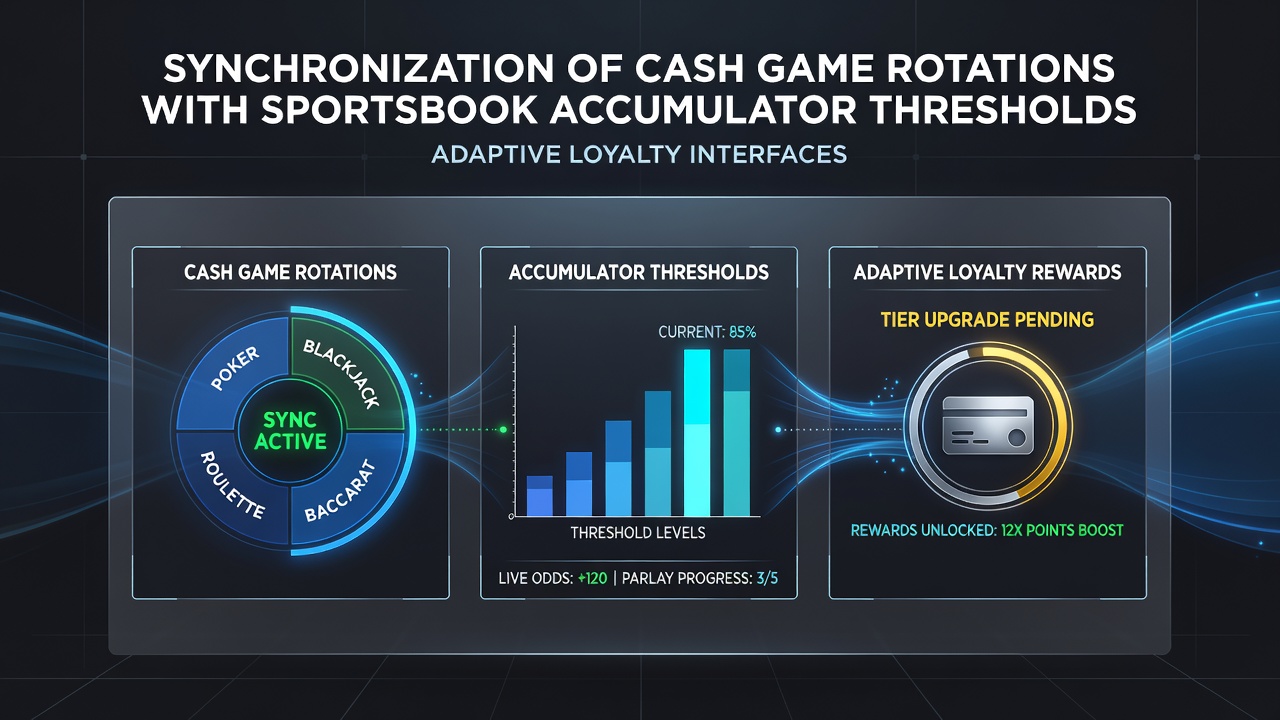
Synchronization of Cash Game Rotations with Sportsbook Accumulator Thresholds through Adaptive Loyalty Interfaces
Platform operators have developed systems that align cash game table rotations with progress toward sportsbook accumulator thresholds, and these alignments occur through adaptive loyalty interfaces that adjust reward pathways in real time. Data from integrated wagering networks shows that cash game sessions often conclude or shift at moments when accumulator targets near completion, which allows players to maintain momentum across product verticals without manual intervention. Observers note that such synchronization relies on backend algorithms that monitor both poker seat availability and live betting slip accumulations simultaneously.
Adaptive loyalty interfaces function by tracking user activity across multiple modules and then recalibrating point multipliers or bonus eligibility based on combined thresholds. Research from industry reports indicates that platforms using these interfaces record higher retention rates during peak periods, particularly when cash game rotations coincide with accumulator payout windows. In August 2026 several major operators expanded these features to mobile applications, enabling seamless transitions between live dealer tables and sports wager tracking dashboards.
Mechanics of Rotation and Threshold Alignment
Cash game rotations typically involve players moving between tables or stakes levels after set time intervals or hand counts, while sportsbook accumulators require multiple selections to reach predefined payout tiers. Synchronization occurs when loyalty systems detect accumulator proximity and prompt rotation suggestions that keep users engaged until thresholds clear. Studies from gaming research institutions reveal that these prompts appear as in-app notifications or interface highlights rather than forced redirects, which preserves player autonomy while guiding activity flow.
Engineers design the underlying code to pull live data feeds from both poker servers and sportsbook engines, then apply conditional logic that matches rotation schedules to accumulator stages. According to figures released by the Nevada Gaming Control Board, synchronized sessions increased average session duration by measurable margins in tested markets during the first half of 2026. Those who manage these platforms report that the process reduces friction between verticals and supports unified reward structures.
Role of Loyalty Interface Adaptations
Loyalty interfaces adapt by altering displayed benefits, such as tiered cashback rates or exclusive table access, once accumulator milestones approach. This adaptation happens through dynamic UI elements that update without requiring page reloads or separate logins. Evidence from platform analytics shows that users respond to these changes by extending play across both cash games and sports products, especially when rewards carry over between the two.
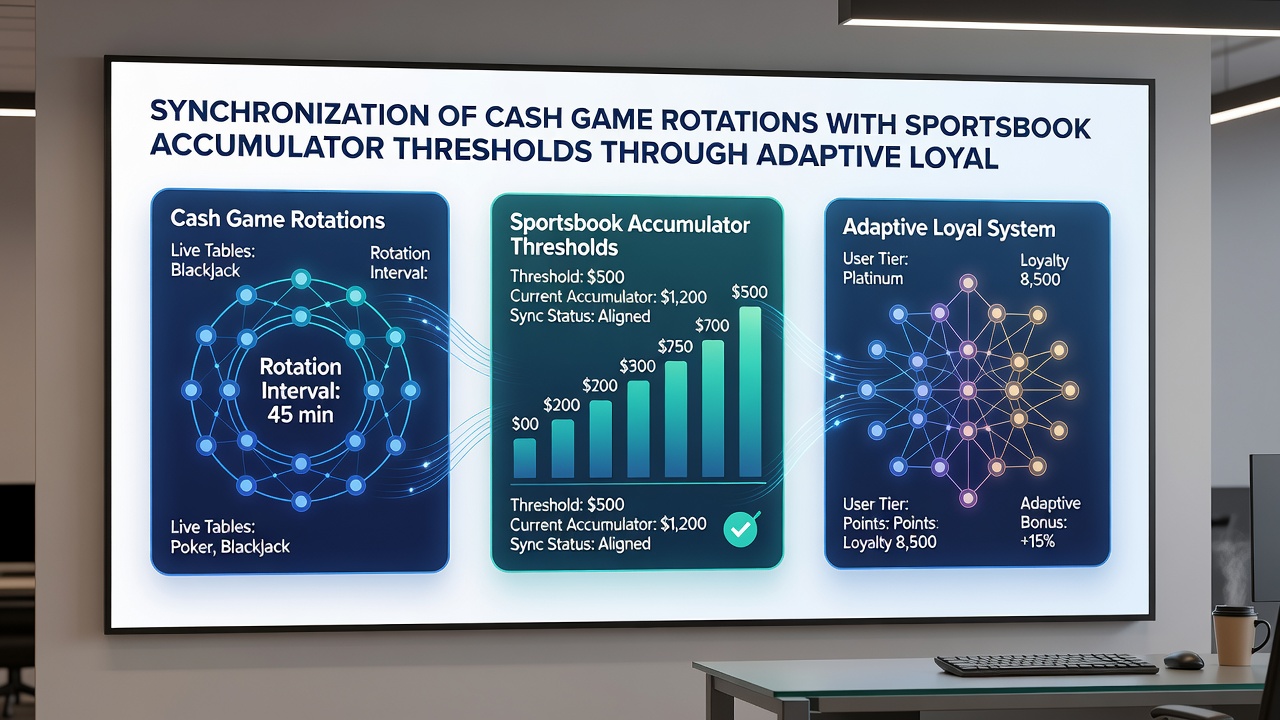
One documented case involved a European operator that linked accumulator progress directly to poker table priority queues, allowing qualifying users to secure preferred seats faster. Data indicates this linkage boosted cross-product engagement without altering base game rules or odds. Academic papers from university gaming studies further confirm that interface adaptability correlates with improved user navigation across complex betting ecosystems.
Implementation Patterns Across Markets
Operators in North America and Asia-Pacific regions have adopted varying versions of these synchronization tools, with some focusing on real-time API connections and others emphasizing scheduled batch updates. Reports from the Australian Gambling Research Centre highlight how regulatory frameworks in that jurisdiction encourage transparent disclosure of loyalty mechanics, which in turn shapes how rotation and accumulator features appear to end users. Platforms that comply with these standards often publish clear explanations of how thresholds influence rotation timing.
Integration timelines accelerated after mid-2025 updates to mobile frameworks, allowing operators to deploy synchronized features at scale by August 2026. Those managing large portfolios note that testing phases typically involve A/B comparisons of interface variants to measure impacts on session length and reward redemption rates.
Conclusion
Systems that connect cash game rotations with sportsbook accumulator thresholds through adaptive loyalty interfaces continue to evolve as data integration improves and regulatory environments stabilize. Current implementations demonstrate measurable effects on user behavior across multiple jurisdictions, supported by ongoing research and platform reporting. Future refinements will likely build on existing architectures rather than introduce entirely separate mechanisms.